
Blog
Tech Guide: Pressure Testing CAT CT13 & CT15 Oil Coolers
Precision troubleshooting for CAT and Navistar shared engine platforms.

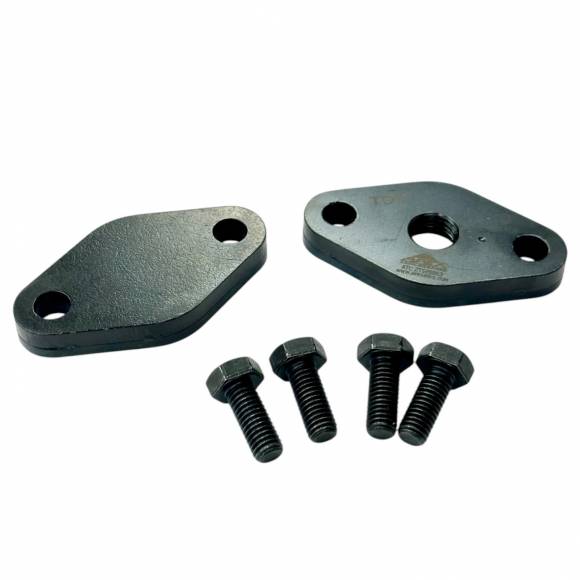
Dealing with coolant/oil cross-contamination? Learn how to use the 373-4830 (ZTSE6063) plates to accurately diagnose your CAT CT660 engine.
Why Pressure Testing is Required
Oil coolers are subject to immense thermal stress and vibration. Over time, internal core failures occur that aren't visible to the naked eye. Because oil pressure is typically higher than coolant pressure, a leak usually pushes oil into the cooling system. Using the 373-4830 test plates, you can simulate operational pressure to identify these "phantom" leaks before they lead to complete engine failure.
The 5-Step Diagnostic Procedure
- Removal: Remove the oil cooler from the engine and clean all gasket surfaces thoroughly.
- Plate Installation: Bolt the 373-4830 plates onto the cooler's inlet and outlet ports to create a sealed environment.
- Air Application: Connect a regulated air supply to the test port on the plate. Increase pressure gradually to manufacturer specs.
- Submersion: Submerge the pressurized cooler in a water tank. "Bubbles" indicate an internal core failure.
- Confirmation: If the pressure holds, you can confidently move your diagnosis to the head gasket or oil filter housing.
DIAGNOSTIC TIP:
Always check the cooler gaskets first! If the gaskets are intact but the cooling system is still contaminated, the internal core failure is likely the culprit, and these plates will prove it.
Professional Diagnostics. Faster Turnaround.
Order CAT Test Plates
overall rating:
my rating:
log in to rate