
Blog
Tech Guide: Safe Removal of Diesel Fuel Injection Lines
Precision fuel system disassembly methods for high-volume diesel shops.

Swapping injectors on a high-mileage diesel? Learn the professional technique for using side-window sockets to prevent high-pressure fuel leaks and fitting damage.
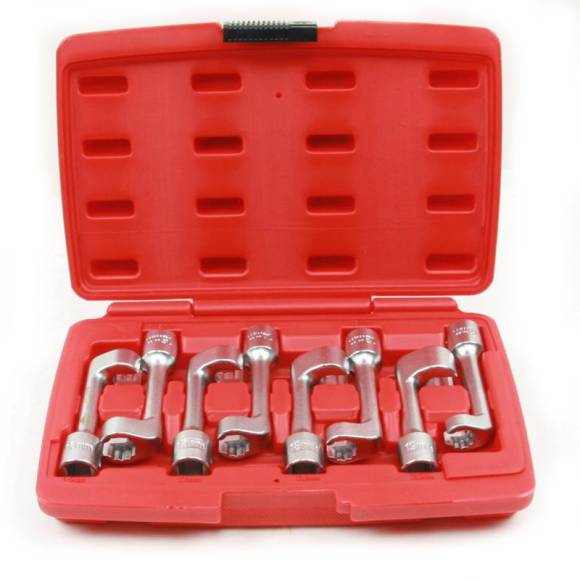
Why Direct-Drive Sockets Beat Open-End Wrenches
Fuel line nuts on common-rail systems are often torqued to specific values to maintain a crush seal. Over time, heat cycles and vibration "weld" these threads together. When you use a standard wrench, you only apply force to two corners of the hex nut. Under high load, the wrench jaws flex outward, causing the tool to slip and round the corners. The ATC JT4790 sockets provide a 360-degree (minus the line window) contact patch. This ensures that the torque from your breaker bar is applied equally to all sides of the nut, allowing for a clean breakaway even in the most corroded environments.
The 5-Step Fuel Line Disconnect Sequence
- Clean the Injection Area: Use compressed air and solvent to remove all grit from the injector well. Any dirt that falls into the open fuel port during removal can destroy a new injector nozzle instantly.
- Select the Matching JT4790 Socket: Identify the hex size (most common are 14mm, 17mm, or 19mm). Slide the JT4790 socket over the high-pressure steel line so the line passes through the side-window cutout.
- Seat the Tool Squarely: Ensure the socket is fully bottomed out on the nut. Use a 1/2" drive extension if necessary to clear overhead obstacles. Keep the tool perfectly parallel to the injector body to prevent side-loading the fitting.
- Apply Steady Breakaway Force: Using a manual ratchet or breaker bar, apply slow, steady pressure until the fitting "pops" loose. Avoid using impact guns on fuel line nuts, as the vibration can crack the flared ends of the steel lines.
- Inspect the Flare and Seat: Once the nut is backed off, inspect the steel line's flare for pitting or cracks. Use the JT4790 socket during reassembly to ensure the flare is seated squarely before final torquing.
PRO SHOP TIP:
Always keep the fuel line nuts finger-tight during the cleaning process. Only once the area is completely free of debris should you use your JT4790 sockets to fully remove the lines. This prevents "trash" from entering the sensitive high-pressure fuel rail.
Stop Slipping. Start Seating Perfectly.
Get the 8-Piece Socket Set Now
overall rating:
my rating:
log in to rate