
Blog
Tech Guide: Ford Powerstroke 6.7L Rear Main Seal Overhauls
Precision drivetrain re-sealing guidelines for light-to-medium duty freight mechanics.
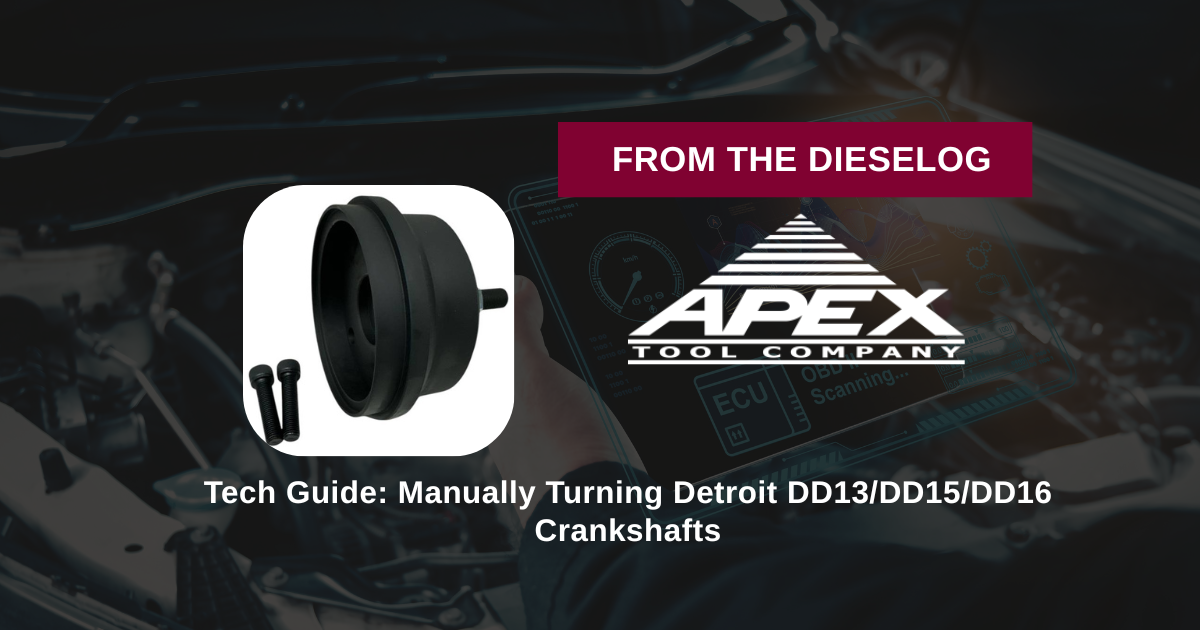
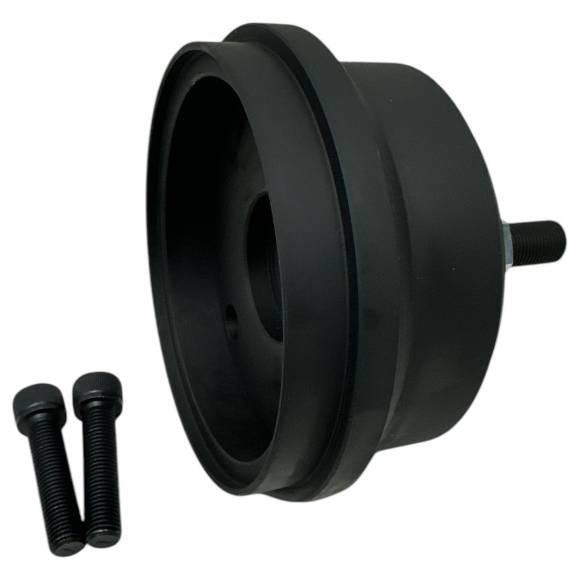
Prepping a Super Duty block for a fresh rear main oil seal? Master the strict mechanical sequence required to draw and seat the seal cleanly using the ATC 303-1514 fixture.
Why Asymmetrical Impact Hammering Destroys PTFE Sealing Lips
The rear main crankshaft housing on a Ford 6.7L V8 diesel engine is a precision-machined bore clearance zone. When a technician tries to force a fresh rear main oil seal home by tapping around its perimeter with a hammer or flat plate, the momentum strikes irregularly. This uneven shifting causes the rigid casing to cock inside the bore, introducing microscopic tracking gaps. Even worse, modern dry-install PTFE seals require a completely parallel initialization path; any wobble during entry will flip or crease the stiff plastic lip, rendering the seal useless before the engine even turns over. Utilizing a threaded, pilot-supported overhead draw fixture like the ATC 303-1514 applies balanced, uniform axial force to press the assembly home completely flat and square.
The 5-Step Rear Crankshaft Sealing Protocol
- Driveline Access & Journal Audit: Pull the transmission, torque converter, and flexplate/flywheel block assembly. Clean the crankshaft flange and rear oil seal receiver bore cavity aggressively with solvent to strip away varnished varnish residue, rust scale, and oil tracking sludge.
- Cranknose Surface Triage: Inspect the rear main crankshaft journal nose closely for fine grooving left by the spent seal. Ensure the entire area is 100% clean and bone dry—never grease or oil a dry-spec PTFE seal lip or journal, as fluid contamination prevents the plastic from memory-shrinking onto the shaft!
- Mount the Inner Pilot Sleeve: Bolt the ATC 303-1514 center pilot guide sleeve tightly directly onto the crankshaft hub flange face using the kit's mounting hardware. This forms a parallel, concentric tracking track that bridges the lip gap perfectly.
- Index and Position the Seal Assembly: Slide the fresh rear main seal ring over the pilot guide sleeve. Position the massive outer driver cup assembly over the central force bolt screw. Hand-thread the retaining components to ensure total parallel tracking alignment across the engine cover.
- Execute Controlled Mechanical Pressing: Turn the primary drive screw clockwise slowly using a manual wrench or high-leverage breaker bar. Drive the seal steadily forward until the tool's precision shoulder flat-bottoms against the rear engine cover casting face. Back off the fixture and execute a visual depth verification check before bolting the flywheel back down.
PRO-TECH DRIATION COMPLIANCE RULE:
After installing a fresh PTFE rear crankshaft seal ring with the ATC tool, you must allow the engine block to rest completely stationary for a minimum of 2 to 4 hours before starting it up or turning the crankshaft. This critical relaxation window is required to let the expanded plastic lip naturally memory-shrink tightly around the steel journal axis to lock in a permanent, drip-free running seal.
Dealership Flat-Rate Speeds. Absolute Sealing Authority.
Get the Powerstroke 6.7L Seal Installer
overall rating:
my rating:
log in to rate