
Blog
Tech Guide: John Deere MFWD Wheel Hub Seal Installation Procedure with the ATCJDG761
A complete shop-floor walkthrough for installing John Deere MFWD wheel hub seals correctly the first time, every time

A complete shop-floor walkthrough — from teardown to torque — for installing John Deere MFWD wheel hub seals correctly the first time, every time, using the JDG761 service tool.
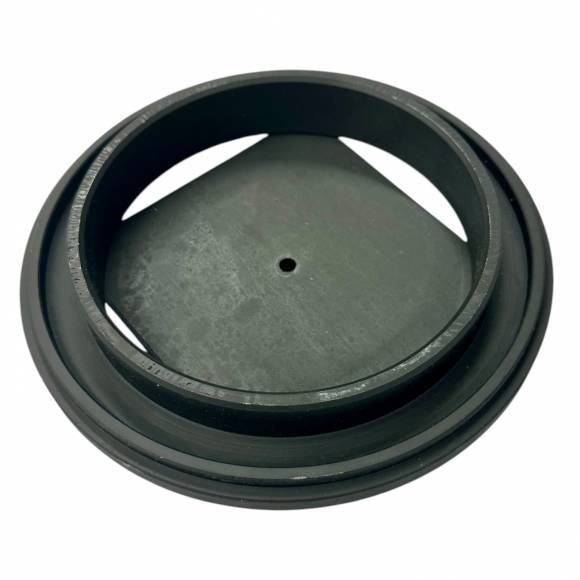
Why Correct Wheel Hub Seal Installation is Non-Negotiable
The MFWD wheel hub seal is the last barrier between expensive gear oil and aggressive farm-field contamination. It runs in dirt. It runs in water. It runs in fertilizer mist, manure slurry, and crop chemical residue. And it has to do all of this while spinning continuously against a hardened steel spindle that's transmitting full drive torque to the front wheel. There is no margin for installation error on a part that lives this hard.
An incorrectly installed seal doesn't just leak — it fails the components behind it. Once oil escapes the hub and contamination enters, the wheel bearings lose their lubricant film, run hot, score the rollers and races, and seize. The planetary set behind the bearings sees metal-to-metal contact. What started as a $40 seal becomes a $4,000 hub teardown — and that's before the labor and the customer-side downtime are added in. The ATCJDG761 exists for one reason: to make this failure mode impossible.
The MFWD Wheel Hub Seal Installation Checklist
- Step 1 — Prepare the tractor and stage the bay.
Park the tractor on level ground. Chock the rear wheels. Loosen the front lug bolts before lifting. Lift the front axle with the manufacturer's recommended jack points and support it on rated jack stands — never trust a hydraulic jack as the sole support during hub work. Drain the planetary gear oil into a clean catch basin (the front-axle oil capacity is in the tractor's operator manual; on most JD MFWD axles it runs roughly 1.5–2.0 quarts per side). Clean the entire hub area with brake-clean and a wire brush before any disassembly so that no field contamination enters the open hub. This is also the point to lay out your tool kit: torque wrench, axle nut socket, snap-ring pliers, seal pick, the JDG761, the new seal, fresh axle oil, and shop rags. Tools needed for teardown: 1/2" or 3/4" drive ratchet set, large axle nut socket (specific to your tractor model), snap-ring pliers, brass drift, dead-blow mallet, seal pick. - Step 2 — Remove the wheel, hub cap, and planetary cover.
Remove the lug bolts and pull the wheel. Remove the planetary gear cover bolts in a cross pattern to release any residual oil pressure, then remove the cover and gasket. Catch any remaining gear oil. Remove the planetary sun gear and inspect for wear — pitting, scoring, or chipped teeth means the gear set needs to come out for further inspection. Remove the snap ring or retaining hardware that secures the planetary carrier. Slide the carrier off and set it on a clean rag. At this point the hub is exposed and the old seal is visible on the inboard side. Inspect everything — bearings, races, spindle surface, and the hub bore where the new seal will live. The hub bore should be clean, undamaged, and free of any nicks or burrs that would prevent the new seal from seating squarely. Common mistake: rushing past the inspection step. Take ten minutes here to save four hours later. - Step 3 — Remove the old wheel hub seal and clean the hub bore.
Pull the old seal out with a seal puller or carefully pry it out with a hooked seal pick. Do not use a screwdriver and a hammer — you'll nick the hub bore, and any nick deep enough to feel with a fingernail will leak past the new seal. With the old seal out, inspect the hub bore for grooves, scoring, or corrosion. Light surface rust can be cleaned up with red Scotch-Brite and brake-clean. Anything deeper than that, and you need to evaluate whether the hub itself is serviceable. Wipe the bore down with a lint-free rag and brake-clean until the rag comes out completely clean. Inspect the spindle sealing surface where the new seal lip will run — this surface must be smooth, polished, and free of wear grooves. If the old seal left a wear groove on the spindle, you can sometimes reposition the new seal at a slightly different depth so the lip rides on a fresh section of spindle (see Troubleshooting below). Common mistake: installing a new seal into a contaminated or burred hub bore. Clean is non-negotiable. - Step 4 — Install the new wheel hub seal with the JDG761.
Lightly oil the OD of the new seal with clean axle oil. Lightly oil the seal lip — never grease. Position the seal squarely against the hub bore with the lip facing the oil side (toward the planetary, away from the wheel). Place the JDG761 driving face directly against the metal case of the seal. The pilot register on the JDG761 should engage the hub bore so the tool stays concentric with the seal. Strike the JDG761 with a dead-blow or brass mallet — three to five medium strikes, distributed evenly. The tool will bottom on its shoulder when the seal reaches the OEM installation depth. You'll feel a distinct "thud" change as the shoulder lands. Stop. Do not continue striking once the shoulder bottoms — over-driving the tool against an already-seated shoulder can damage the seal lip from below. Remove the JDG761 and visually verify the seal is square in the bore: the top of the case should sit flush and parallel to the hub face all the way around. Common mistake: striking the tool too aggressively. Let the JDG761 do the work — it's designed so that moderate, controlled strikes produce a perfect installation every time. - Step 5 — Reassemble, refill, and verify.
Reinstall the planetary carrier, sun gear, and any retaining snap rings or hardware in reverse of removal. Install a new planetary cover gasket — never reuse the old gasket. Torque the planetary cover bolts to John Deere's published spec for your specific tractor model and axle (typical range is 35–55 ft-lb in a cross pattern, but always verify against the service manual). Refill the planetary with the correct grade and quantity of axle oil — usually JD Hy-Gard or equivalent — through the fill plug at the 3 o'clock position with the cover oriented for level fill. Wipe the hub area dry. Reinstall the wheel and torque the lugs to spec in a star pattern. Lower the tractor. Run the front axle in a low gear at idle for two to three minutes and watch the hub for any sign of weeping. Re-torque the lug bolts after a short test drive. Document the seal replacement in the service record with date, hours, and the JDG761 tool number for traceability.
🔧 PRO-TIP: The Pre-Lube Pass
Before you button the planetary cover back up, rotate the hub by hand five or six full turns. This pre-lubes the new seal lip against the spindle, distributes oil through the planetary, and lets you confirm there's no rotational binding from a misseated bearing or a cocked seal. If you feel any drag, stop and inspect — it's far cheaper to pull the cover now than after the tractor's been in the field for two hours.
Troubleshooting Common Wheel Hub Seal Issues
Symptom 1 — Fresh seal weeps within hours of installation. Most common cause: cocked seal. The seal went in tilted because the installation tool wasn't held square or wasn't the correct OD for the seal case. Solution: pull the seal, inspect the spindle for grooving, and reinstall a new seal with the JDG761. Secondary cause: contaminated or nicked hub bore. Solution: clean the bore thoroughly and inspect for damage before any new seal installation.
Symptom 2 — Seal looks fine but the hub still leaks. Likely cause: the spindle sealing surface is grooved from a previous failed seal, and the new seal lip is riding in the old wear track. Solution: install the new seal at a slightly different depth (the JDG761's shoulder design allows for a controlled offset using a thin spacer washer behind the tool) so the lip lands on virgin spindle material. If the spindle is deeply grooved, sleeve the spindle or replace it.
Symptom 3 — Heat discoloration on the seal after a short test drive. Cause: insufficient pre-lube on the seal lip. The lip ran dry against the spindle and overheated on first rotation. Solution: pull the seal, inspect for damage, replace if necessary, and reinstall with proper oil pre-lube on both the OD and lip. Always run the planetary briefly at idle before any load.
Symptom 4 — Seal fits loose in the hub bore. Cause: the hub bore is worn oversized from repeated seal installations or from corrosion. Solution: check the hub bore against the JD service spec with a bore gauge. If it's out of spec, the hub itself needs to be replaced or sleeved. Never use sealant on a wheel hub seal OD as a workaround for an oversized bore — it's a temporary fix that always fails.
Symptom 5 — Tool won't bottom on the shoulder. The seal is hanging up on a burr or a misaligned start in the hub bore. Stop. Remove the seal — it's almost certainly damaged at this point. Inspect the hub bore for damage, deburr if needed, and try again with a new seal. Forcing the tool through resistance is the single fastest way to ruin a seal during installation.
Tool Compatibility & Variations
The JDG761 is purpose-built for John Deere MFWD wheel hub seal applications. It is designed around John Deere's published seal dimension for this service, so it should always be cross-referenced with the tractor model, serial number, and seal part number in the JD parts catalog before use. Tractors running the same MFWD axle architecture across multiple model series typically share the wheel hub seal — and therefore share the JDG761 application — but always verify before service.
Apex Tool Company stocks a complete line of John Deere MFWD axle service tools for adjacent operations: spindle nut sockets, bearing pullers, planetary carrier service tools, and axle housing seal installers. Building out the full kit pays back the same way the JDG761 does — fewer comebacks, faster bay turnover, more billable hours per tech per day.
Safety & Shop Best Practices
Front axle work involves lifting heavy loads, hot oil, and rotating components. Always block the rear wheels before lifting the front. Always support the axle on rated stands — never on a hydraulic jack alone. Wear safety glasses any time you're striking a tool with a mallet. Wear nitrile gloves when handling used gear oil — the additive package is irritating to skin and the contamination it carries (especially in livestock-operation tractors) is biologically aggressive. Dispose of used gear oil according to local environmental regulations.
Shop-floor best practice: every wheel hub seal job gets photographed before, during, and after. The before photo establishes the pre-existing condition. The during photo documents the use of the correct tool (the JDG761, on the seal, square to the bore). The after photo shows the seal seated and the hub clean. This documentation protects the shop against warranty disputes and trains junior technicians on what "right" looks like.
Technician FAQ
Q: Do I need to remove the wheel hub from the spindle to install the new seal?
On most JD MFWD applications, the seal can be replaced with the hub on the spindle, after the planetary cover and carrier are removed. Refer to your specific tractor service manual for the exact disassembly sequence.
Q: What axle oil should I use to refill the planetary?
John Deere Hy-Gard or equivalent J20C/J20D-spec hydraulic-transmission oil. Never substitute generic gear oil — the friction additive package matters for the wet brakes and clutches in the JD axle.
Q: Do I have to bench-press the JDG761 or can I hand-drive it?
Hand-driven with a dead-blow mallet is the standard field method. A shop press is acceptable but unnecessary for this seal.
Q: How long does the JDG761 itself last in shop service?
Indefinitely, with normal care. Wipe it down after each use, oil the precision face lightly, and store it in a padded drawer or case. The tool will outlast the technician.
Q: Is there a torque spec for the JDG761?
No. The tool is hand-driven against a shoulder stop. The shoulder is the spec.
Q: What's the difference between this tool and a generic seal driver?
Dimensional precision. A generic seal driver has stepped discs that are "close enough" to most seal ODs. The JDG761 is machined to the exact OD of the JD MFWD wheel hub seal and pilots to the hub bore — no slop, no overhang, no contact with the seal lip.
Q: Can I use the JDG761 to remove the old seal too?
No. The JDG761 is an installation tool. Use a proper seal puller or hooked seal pick for removal.
Q: Is the JDG761 backed by Apex Tool Company support?
Yes. Apex Tool Company supports the JDG761 with technical fitment assistance — call 812-579-5478 with your tractor serial and the parts team will verify compatibility before you order.
Build the Job In, Not Around the Tool.
The ATCJDG761 turns a high-risk hub seal job into a five-minute press. In stock at $205.00 — free shipping on continental US orders over $500.
Order the ATCJDG761 — $205.00 →Apex Tool Company • 812-579-5478 / 800-365-2233 • Mon–Fri 8 a.m.–5 p.m. ET
overall rating:
my rating:
log in to rate