
Blog
Tech Guide: Installing PACCAR MX13 Pistons Safely
Precision procedures for professional PACCAR fleet technicians.

Accuracy in the bottom end is the key to engine longevity. Learn how to use the ATC 7900 to ensure a perfect piston seat on MX13 engines.
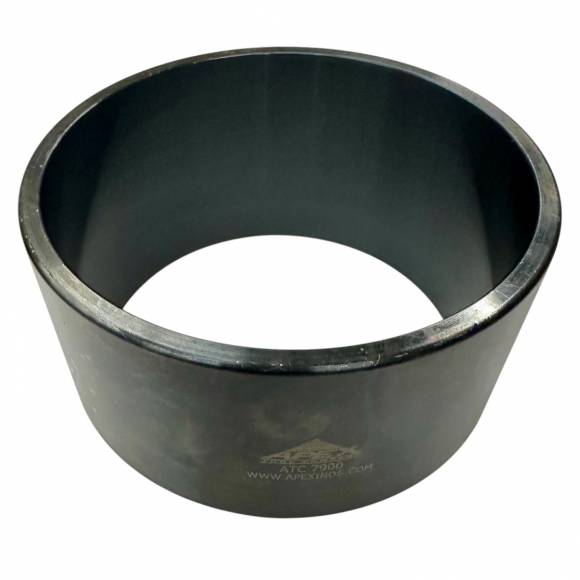
Why Dedicated Ring Compressors Beat Universal Tools
The PACCAR MX13 uses high-tension rings and specific liner top-chamfer angles. Universal "adjustable" band compressors often fail because they allow the ring to expand slightly before it hits the liner, leading to a "hanging" ring that snaps under the pressure of a mallet. The ATC 7900 is a solid, tapered-bore compressor that transitions the rings directly from the tool into the liner without any gap for expansion.
The 5-Step Professional Installation
- Lube the Tool: Apply a light coat of clean engine oil to the internal taper of the ATC 7900.
- Stagger the Rings: Ensure your ring gaps are staggered according to PACCAR service specs to prevent blow-by.
- Position the Compressor: Seat the ATC 7900 squarely on top of the clean cylinder liner.
- Guide the Piston: Carefully lower the piston assembly into the compressor. The weight of the piston should be supported to prevent tilting.
- The Final Seat: With the compressor held firmly against the liner, use a wooden or plastic mallet handle to drive the piston home. If you feel sudden resistance, STOP—the tool ensures alignment, but it cannot overcome a ring that has "popped" due to improper tool seating.
PRO-TIP:
Always inspect the top chamfer of your MX13 liners for nicks before installation. A smooth transition from the ATC 7900 into the liner is essential for the survival of the top compression ring.
Build Quality Engines. Shop Apex Today.
Order ATC 7900 Now
overall rating:
my rating:
log in to rate