
Blog
Tech Guide: Cummins ISX Lower Bore Machining & LS-6300 Sleeve Installation Steps
Precision block machining guidelines for engine remanufacturers and diesel machine shops.
Restoring an eroded lower liner bore on a Cummins ISX12 or ISX15 engine block during a major overhaul? Follow this step-by-step professional machine shop procedure to bore out damaged lower block counterbores, prepare press-fit tolerances, install the LS-6300 repair sleeve, and finish-bore to exact Cummins OEM liner sealing specs.
Why Un-Supported Lower Liners Cause Blown Head Gaskets & Engine Seizure
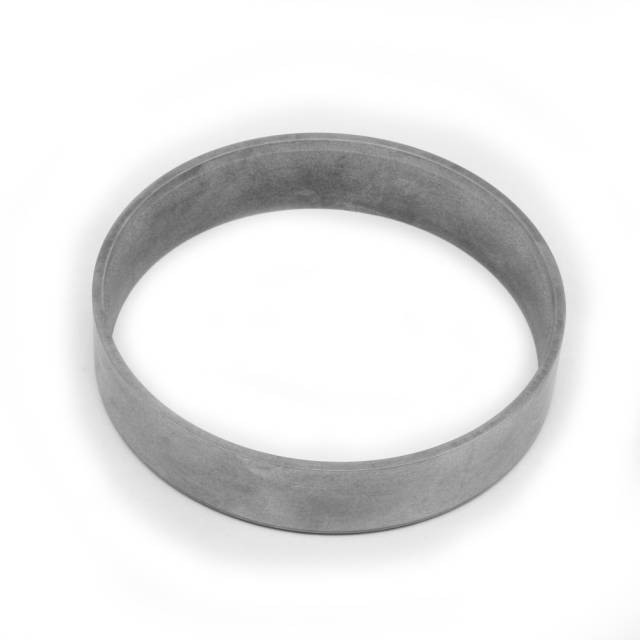
On Cummins ISX series heavy-duty diesel engines, the wet cylinder liner relies on precise concentric support at both its upper counterbore ledge and its lower block bore seat. While upper counterbore shimming is common, neglecting lower bore cavitation leads to fatal engine failures. Over high operating hours, lower coolant O-ring grooves suffer fretting erosion. When a new cylinder liner is installed into an un-repaired, eroded lower bore, the lower sealing O-rings expand unevenly into cavitation pockets, losing sealing tension. Coolant instantly bypasses the seal rings into the oil pan. Furthermore, because the lower liner flange lacks solid circumferential backing, combustion pressures push the liner side-to-side during the power stroke. This lower liner rocking transfers flexing fatigue straight up to the top liner flange, snapping the flange off and blowing the head gasket within miles of service. Utilizing the LS-6300 lower repair sleeve completely eliminates lower bore failure modes. By precision-boring the eroded lower casting and pressing in the 6.300" × 5.875" × 1.300" alloy iron sleeve, machinists restore a dead-flat, 100% concentric lower bore seat that locks the cylinder liner perfectly rigid.
The 5-Step Cummins ISX Lower Repair Sleeve Protocol
- Clean & Inspect Damaged Lower Block Bore: Disassemble the block deck and clean the lower cylinder bore area thoroughly using solvent. Inspect for cavitation pitting, fretting corrosion, and out-of-round wear using a dial bore gauge.
- Machine Lower Block Counterbore to Receive Sleeve: Mount a portable or station boring machine over the cylinder bore. Machine the damaged lower block casting out to accept the LS-6300 outer diameter (6.300") with the specified interference press-fit (typically .002" to .003" press fit per OEM specs).
- Clean Bore & Apply Retaining Sleeve Compound: Thoroughly clean cast iron chips and degrease the bored counterbore. Apply a light, uniform coat of high-temperature sleeve retaining compound (such as Loctite 609/680) to the lower counterbore wall.
- Press LS-6300 Sleeve into Place to Bottom Stop: Align the LS-6300 lower repair sleeve over the bored opening. Using a hydraulic press driver or guided driver plate, press the sleeve smoothly into the block until it seats firmly against the lower counterbore shoulder.
- Finish-Bore ID & Verify Cylinder Liner Fitment: Allow retaining compound to cure per manufacturer specs. Finish-bore or hone the inner diameter of the installed LS-6300 sleeve to match Cummins OEM lower liner O-ring clearance specifications (5.875" ID nominal). Install new wet liner and verify 100% smooth, concentric fitment and proper liner protrusion.
PRO-TECH INTERFERENCE FIT & RETENTION MANDATE:
ALWAYS MAINTAIN EXACT PRESS-FIT TOLERANCES (.002"-.003") when machining the block bore for the LS-6300! An overly loose sleeve can shift under thermal load! ALWAYS USE ANAEROBIC SLEEVE RETAINER to prevent micro-weeping between the block casting and sleeve OD!
1.00 lb Precision Machine-Fit Alloy Iron Sleeve. Protect Cummins ISX Engine Overhauls.
Get the LS-6300 Repair Sleeve Now
overall rating:
my rating:
log in to rate