
Blog
Detroit DD5 High-Pressure Fuel Rail Isolation Steps
Precision common rail diagnostic guidelines for commercial diesel mechanics and fleet technicians.
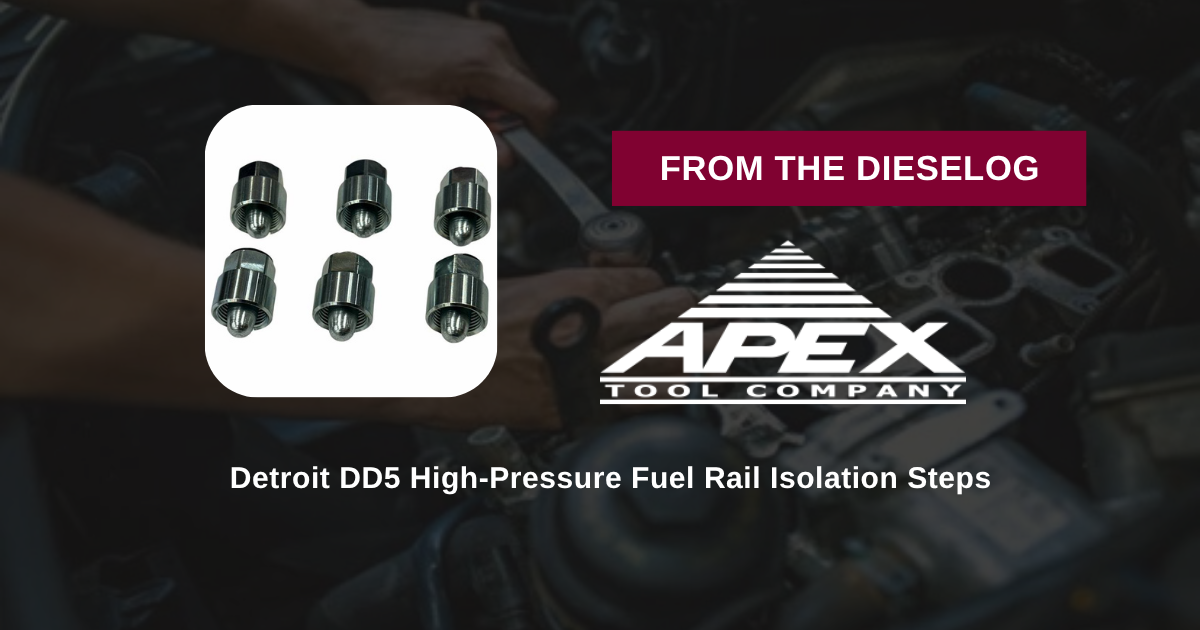
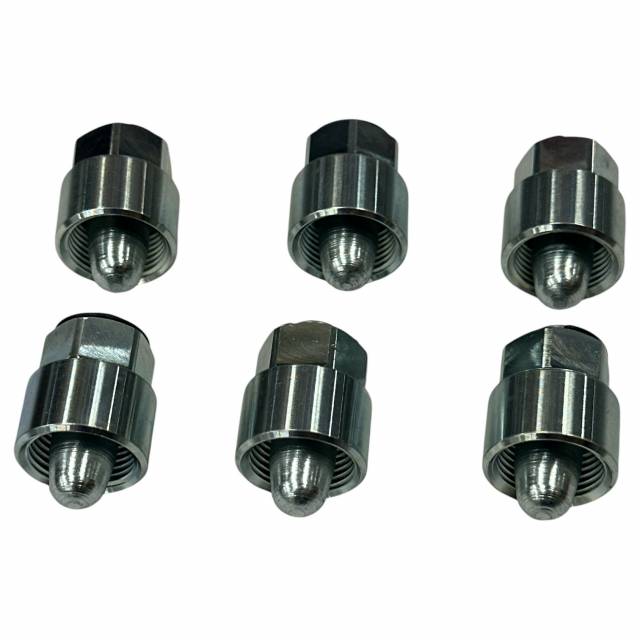
Troubleshooting low common rail pressure or a hard-start condition on a Detroit Diesel DD5 engine? Follow this step-by-step professional workshop procedure to depressurize the fuel system, disconnect high-pressure lines, thread the ATC W936589019100 test caps to isolate rail ports, crank the engine to monitor live pressure recovery, and isolate failing fuel injectors safely.
Why Diagnostic Guesswork & Makeshift Plugs Cause Expensive Fuel System Failures
Modern common rail fuel systems on Detroit DD5 engines rely on precise hydraulic pressure balance to trigger electronically controlled fuel injection. When a truck exhibits low power or extended cranking times due to low rail pressure, replacing parts by trial-and-error can cost thousands of dollars in unnecessary components. If an internal injector valve is stuck open and bypassing fuel to the return rail, replacing the high-pressure fuel pump will not fix the issue—the new pump will still fail to build pressure against the internal leak. Furthermore, technicians who attempt to plug rail ports using makeshift brass fittings or welded line nuts create major safety and repair hazards. Non-hardened fittings deform under 30,000+ PSI pressure spikes, shearing threads inside the forged steel fuel rail or spraying atomized diesel fuel under extreme pressure. Metal slivers from crushed fittings enter the rail, traveling straight into remaining healthy injectors and destroying precision needle valves. Utilizing the 0.80-pound ATC W936589019100 6-Piece Test Cap Set eliminates these hazards completely. Machined to exact OEM flare dimensions from hardened alloy steel, each cap seals the rail outlet cleanly, allowing the technician to isolate line-by-line and identify leaking injectors in minutes without damaging rail threads.
The 5-Step Detroit DD5 Fuel Isolation & Pressure Diagnostic Protocol
- Depressurize Fuel Rail & Clean Component Area: Turn off the engine and allow common rail pressure to bleed down completely. Thoroughly solvent-clean the fuel rail, high-pressure lines, and surrounding cylinder head cover to prevent dirt ingress.
- Disconnect Suspect High-Pressure Fuel Line: Using a dedicated flare nut wrench, disconnect the high-pressure fuel line connecting the fuel rail outlet port to the fuel injector for the target cylinder. Cap open fuel line ends to prevent contamination.
- Thread ATC W936589019100 Test Cap onto Rail Port: Thread an ATC W936589019100 test cap by hand onto the open fuel rail outlet fitting. Torque the cap using a wrench to specified factory test torque to ensure a 100% leak-free seal.
- Crank Engine & Monitor Live Rail Pressure Data: Connect diagnostic software (such as Detroit Diagnostic Link) to monitor actual vs. desired fuel rail pressure. Crank the engine and observe rail pressure buildup. *If rail pressure rises to normal specs with the cap installed, the isolated injector or line is leaking!*
- Systematically Test Remaining Cylinders & Verify Repair: Repeat the capping procedure across remaining cylinders as needed to verify all injectors. Once the faulty component is replaced, remove the test cap, reconnect the high-pressure line with new seals, purge air, and verify leak-free engine operation.
PRO-TECH THREAD TORQUE & DEPRESSURIZATION MANDATE:
ALWAYS VERIFY FUEL SYSTEM DEPRESSURIZATION before loosening high-pressure fuel lines! Extremely high fuel pressure can penetrate skin and cause severe injury! ALWAYS TORQUE TEST CAPS TO FACTORY TEST SPEC to prevent thread galling or high-pressure leaks during engine cranking!
0.80 lb Precision 6-Piece High-Pressure Fuel Rail Test Cap Set. Protect Detroit Engines.
Get the ATC W936589019100 Set Now
overall rating:
my rating:
log in to rate