
Blog
Running Low-Pressure Fuel Supply Audits with the Cummins 5573247
Precision low-pressure fluid loop reconditioning guidelines for freight diagnostics fleets.
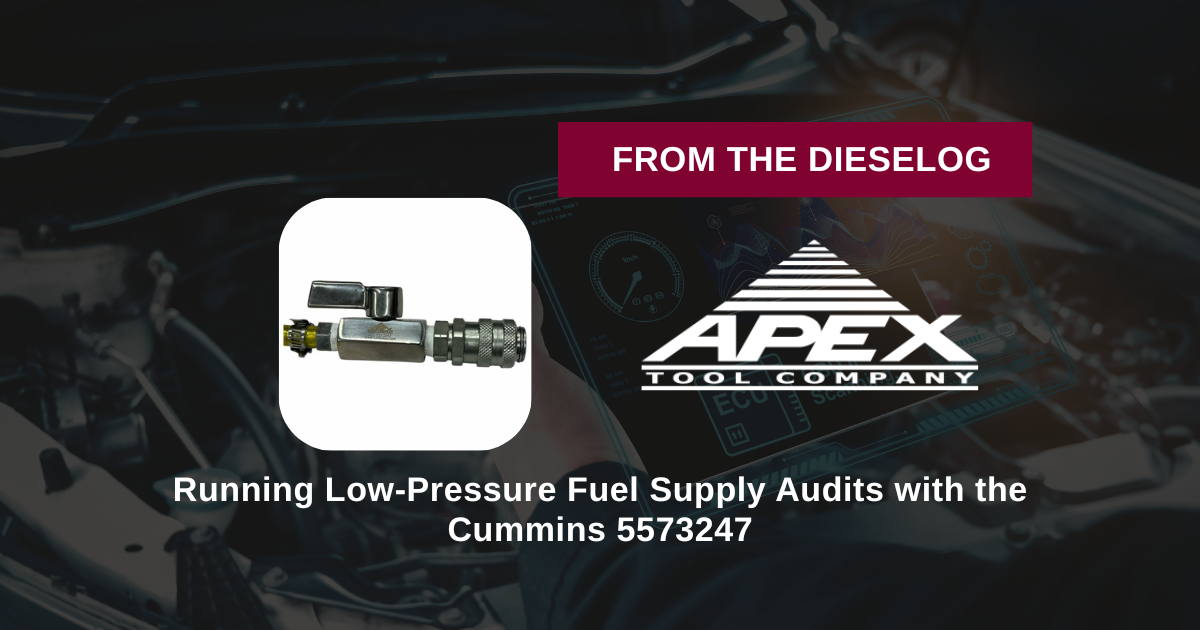
Dealing with an unexplainable intermittent hesitation or low-power tracking faults on an ISX or X15 engine block? Learn the proper professional sequence to inline-plumb the 5573247 pressure adapter and verify spec boundaries safely.
Why Skipping Lift Pump Metrics Causes Costly Common-Rail Misdiagnoses
The high-pressure accumulator rail on a Cummins common-rail diesel circuit requires an absolute, un-aerated stream of primary fuel to feed its high-pressure pump chambers. When a technician leaps into troubleshooting low rail pressure without isolating the lift pump output first, they miss a critical link. A simple restricted primary filter, a cracked pick-up tube inside the fuel tank, or a bleeding internal pressure regulator valve drops supply pressure below spec—preventing the main pump from ever reaching its target pressure. Forcing an engine to run with insufficient low-pressure supply results in pump cavitation and erratic performance, often leading shops to mistakenly replace high-value fuel manifolds on a wild guess. Utilizing the dedicated 5573247 inline quick-connect tool captures baseline pressure boundaries instantly on the bench, ensuring your fuel system analysis is backed by clear mechanical data.
The 5-Step Low-Pressure Delivery Verification Protocol
- De-Pressurize and Clean Target Test Lines: Turn the ignition switch completely off and safely isolate the master battery disconnect links. Locate the factory low-pressure testing test port fitting situated near the engine-driven fuel pump block housing. Wire-brush the port exterior thoroughly with solvent to clear away grit.
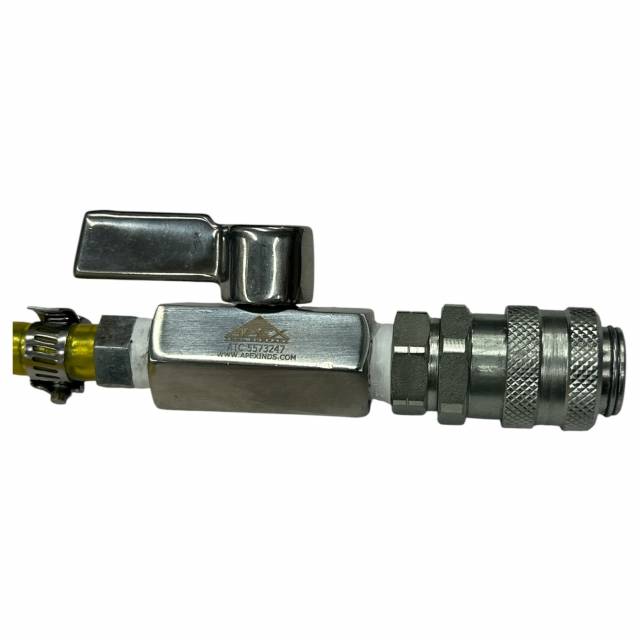
- Link the 5573247 Adapter Assembly: Uncap the factory diagnostic fitting. Insert the 5573247 Cummins fuel pressure tester adapter directly into the low-pressure supply test line. Push until the mechanical quick coupler clicks flatly and locks square into axis alignment to stop any post-start fuel weep paths.
- Connect Your Precision Test Gauge: Couple your master shop diagnostic pressure gauge hose or electronic transducer link into the matching terminal port of the 5573247 tool. Ensure the test line is safely routed clear of rotating fan blades or hot exhaust manifolds before running the engine.
- Execute Crank and Live Speed Testing: Initiate the engine hand-priming pump to purge any minor air pockets. Fire up the engine block and let it settle into a smooth idle pattern. Monitor your gauge values closely. Increase engine speed to high idle and under load to evaluate the pump's ability to maintain fuel delivery pressure boundaries within OEM specifications.
- Evaluate Results and Disconnect Cleanly: Compare your live data measurements against the factory service manual parameters for that specific Cummins calibration. If pressure falls below spec limits, you have successfully isolated a primary restriction or pump fault. Turn off the engine, release residual line pressure smoothly, decouple the 5573247 tool, and reinstall the factory line cap to wrap the pass.
PRO-TECH HIGH-PRESSURE CRITICAL RAIL BAN:
The 5573247 tester is custom-forged and certified **exclusively for low-pressure supply system diagnostic testing (0 to 150+ PSI max)**! Never attempt to couple or tap this tool or its adapters into the high-pressure injection lines leading from the main fuel pump head to the cylinder injectors. Extreme common-rail pressures exceeding 30,000+ PSI will instantly rupture the low-pressure fittings, creating a severe workshop blowout hazard, fire risk, and profound personal injury danger. Always map your circuit limits first.
OEM Replacement Precision. Eliminate Parts-Cannon Guesswork on Cummins Blocks.
Secure Your 5573247 Tester Adapter Group
overall rating:
my rating:
log in to rate