
Blog
Detroit Series 60 In-Frame Debris Containment
Precision lower-block structural reconditioning guidelines for freight maintenance hubs.
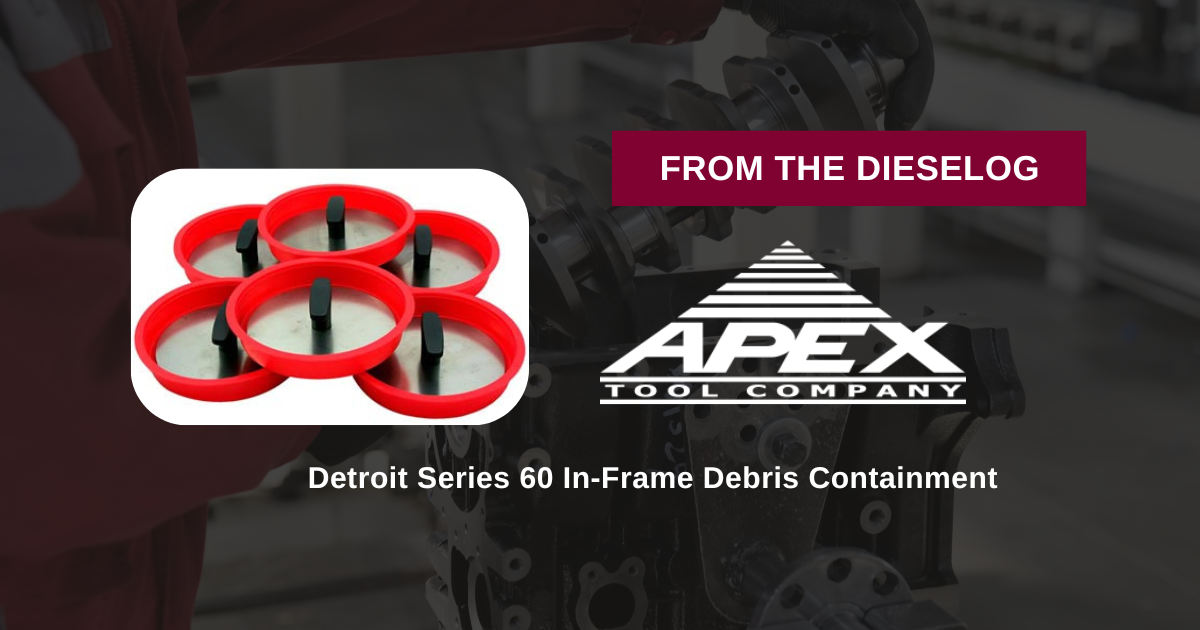
Restoring corroded liner landing shelves on an in-frame Detroit 60 block? Master the precise technical sequence to capture iron shavings and protect lower engine bearings using the M30149 tool.

Why Makeshift Rag Stuffing Allows Debris to Bypass Cylinder Walls
Machining the counterbore shelf on a heavy-duty Detroit 60 engine generates abrasive cast-iron dust and micro-shavings that cling to oily metal surfaces. Some line mechanics try to save a quick step by stuffing clean shop towels down the cylinder bore well before setting up their cutting machine. This is a highly dangerous trap. As the cutting head spins and vibrates against the block deck, the caked cast-iron chips naturally stack up. When you pull the greasy towels back out, they drag against the inner cylinder walls, flexing inward and letting a steady stream of sharp iron particles slide straight into the lower oil passages. This microscopic debris passes directly into your main bearing journals, scoring components upon startup. Utilizing a rigid, gasket-sealed plug like the M30149 establishes a solid mechanical seal that traps 100% of the metal waste, allowing it to be vacuumed away perfectly before the tool is ever unseated.
The 5-Step Block Machining Cleanliness Sequence
- Cylinder Port Teardown and Prep: Extract the failed cylinder liner shims and components. Wipe down the upper cylinder deck bore aggressively with a quick-drying solvent to clear away oil film and carbon crust before setting up your cutting tools.
- Seat and Lock the M30149 Chip Catcher: Lower the M30149 tool straight down into the targeted cylinder well. Push the catcher down past the counterbore lip until it sits firmly below the upper machining depth. Snug the tool down to expand its outer seal flat against the cylinder bore walls, creating an airtight barrier.
- Execute Counterbore Face Machining: Mount your professional counterbore cutting tool machine onto the engine block deck face. Adjust your cutting blades to factory specification depth parameters and spin out the caked corrosion from the liner landing shelf. The caking metal chips will fall straight down, landing harmlessly onto the M30149 plate.
- Vacuum Clean and Clear the Waste Field: Once your machining cuts are completed, remove the heavy counterbore machine from the deck. Do not loosen the chip catcher yet! Use a strong shop vacuum to clean up all the loose cast-iron shavings, metal curls, and fine dust from the tool's top face.
- Extract the Tool and Run Final Inspections: Carefully unlock the expansion seal mechanism and draw the M30149 chip catcher straight up out of the cylinder bore. Give the walls a final wipe with a clean lint-free cloth and install your fresh, precise liner shims to finalize the deck assembly.
PRO-TECH DEBRIS SEPARATION MANDATE:
Always ensure that you vacuum up all the iron shavings from the top face of the M30149 catcher before unlocking its outer perimeter seal! If you loosen the tool expansion ring while a pile of iron dust is still sitting on the plate, the loose metal waste will spill over the deflated edges, falling past the cylinder walls straight into your main bearings and oil channels.
Absolute Lower Block Sealing Control. Fast In-Frame Counterbore Repairs.
Secure Your Detroit M30149 Tool Now
overall rating:
my rating:
log in to rate