
Blog
Troubleshooting Detroit DD15 Low Rail Pressure
Precision high-pressure fuel component diagnostic guidelines for fleet mechanics.
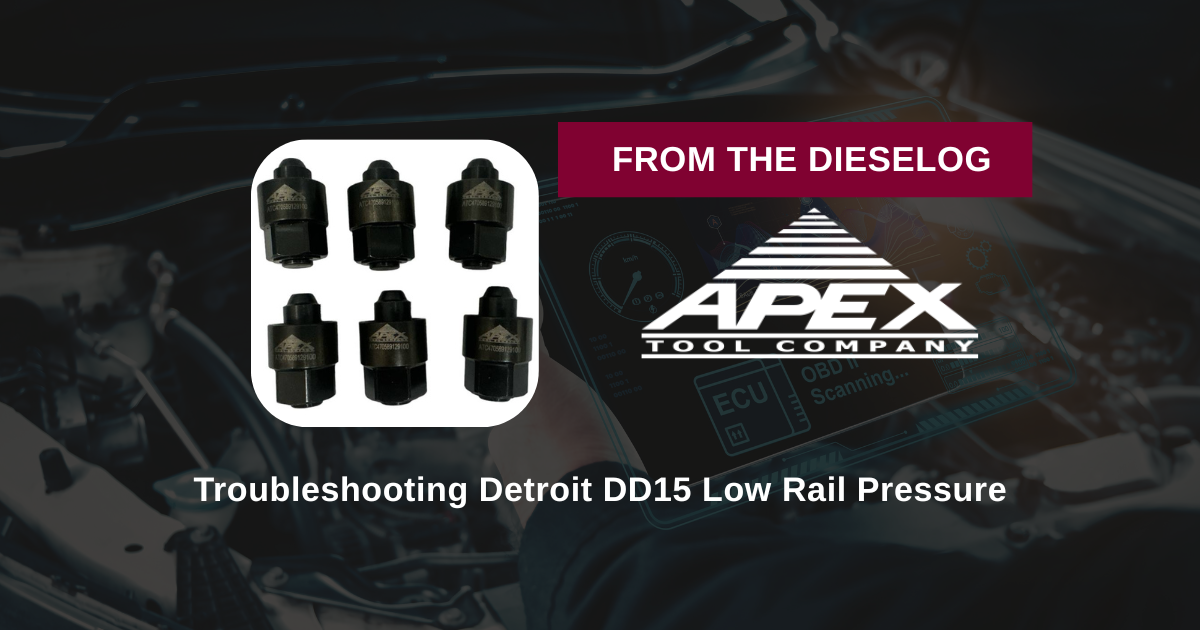
Tracing a long-crank or hard-start symptom down to a single bypassing injector well? Learn the professional technical sequence to block and isolate common-rail lines safely using the ATC W470589129100 tool set.

Why Blind Component Guessing Destroys Heavy Diesel Shop Profits
Diagnosing a common-rail fuel system by parts-cannon guessing is an incredibly expensive approach. When an engine logs a code for slow rail pressure buildup, some line techs immediately recommend replacing all six injectors or swapping out the high-pressure fuel pump—a multi-thousand-dollar callout. If the real issue is just a single worn injector check valve leaking fuel back to the tank, you've forced an unnecessary bill on the truck owner and killed your bay's reputation. Utilizing an explicit, hardened steel blocking set like the ATC W470589129100 enables you to cap off one line at a time. When the bad cylinder line is blocked, the common-rail pressure will jump back up instantly during cranking—letting you find the exact leaking injector within minutes.
The 5-Step Fuel Rail Isolation Protocol
- 场地Execute Workplace Cleanliness Prep: Clean the engine fuel rail area aggressively with solvent to clear away all fine road dust, debris, and grease. *Note: Modern common-rail systems have zero tolerance for dirt ingress; a single particle can destroy an injector nozzle instantly.*
- Back Off the Target High-Pressure Line: Identify your first target test cylinder. Back off the high-pressure steel fuel line nut extending from the fuel rail to the target injector inlet, removing the line entirely from the workspace.
- Thread and Torque the ATC Test Cap: Inspect the threads of an ATC W470589129100 cap for cleanliness. Thread the cap straight onto the open fuel rail port by hand to avoid cross-threading. Use a manual wrench to snug the cap down to strict factory torque specifications to ensure a flat, metal-to-metal high-pressure seal.
- Execute Engine Crank Diagnostics: Monitor your live vehicle electronic data link parameters on your diagnostic screen. Crank the engine over and read the fuel rail pressure spike speed. If the rail builds pressure normally with the cap on, that isolated cylinder has a leaking injector. If pressure stays low, move the cap to the next cylinder port line.
- Clear the Line and Finalize Build: Once the leaking component is identified and replaced, remove the test cap. Reconnect the high-pressure fuel line and torque the fitting to exact factory specifications. Run the engine through a full diagnostic heat cycle to verify a leak-free repair before releasing the truck.
PRO-TECH HIGH PRESSURE DIESEL SHOP SECURITY DISCLOSURE:
Never loosen or attempt to adjust any high-pressure fuel line or test cap while the engine is running or immediately after shutdown! The stored energy inside a Detroit HDEP common rail can easily cause severe injury if released. Always wait at least 10 to 15 minutes after shutting down the block to let the stored pressure bleed down to zero before setting up your tools.
Class 8 Fuel System Diagnostics. Pinpoint Leaks Instantly.
Get Your Detroit Fuel Rail Cap Set
overall rating:
my rating:
log in to rate