
Blog
Heavy Diesel Fuel System Priming with the J-47912-QC
Precision lower-block structural fuel circuit reconditioning guidelines for diagnostics fleets.

Battling an unexplainable intermittent hesitation or extended starter crank following a routine top-end service pass? Learn the proper technical sequence to plumb the ATC J-47912-QC quick adapter and bleed fuel galleries safely.
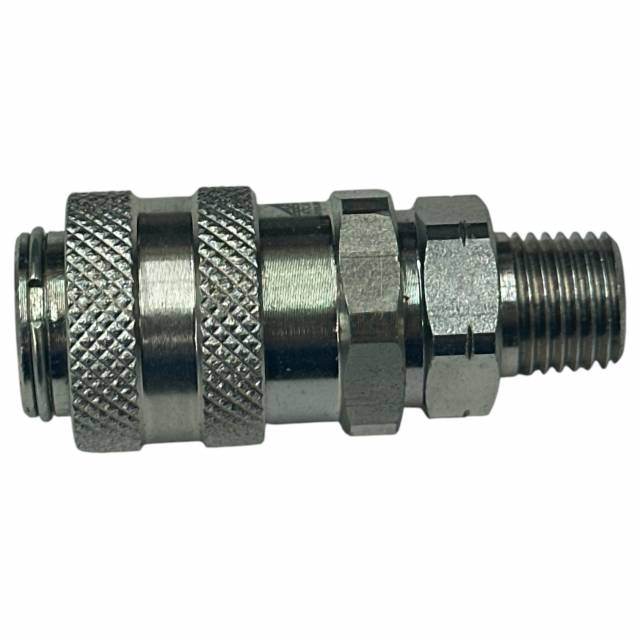
Why Depressing Internal Check Pins Freehand Scuffs Diagnostic Port Seats
The specialized Compu-Check® fuel diagnostic test points found on Detroit Diesel and Cummins blocks utilize a spring-loaded internal check ball seating arrangement to contain active fuel pressure safely. When a technician tries to vent trapped air or map low-pressure lift values by un-squarely shoving screwdrivers, picking wires, or cheap loose hardware into the valve port, they are inducing severe localized wear. Freehand tool slips scratch the fine internal sealing seat or score the internal pin axis—causing the valve to leak or stick wide open post-test. Once a test valve begins weeping hot fuel over a running engine manifold, you face immediate fire tracking risks or constant low-power aeration loops. Utilizing an application-matched quick-connect adapter like the ATC J-47912-QC enforces an identical, perfectly balanced parallel press over the check pin, depressing it straight down its axis to seal lines flawlessly.
The 5-Step Fuel Priming and Venting Protocol
- Port Manifold Triage and De-Griting: Shut off the engine ignition and ensure all fuel supply lines are at complete rest. Locate the factory Compu-Check® diagnostic fitting port (typically mounted on the fuel filter block manifold or near the gear lift pump housing). Thoroughly wire-brush the port face with solvent to clean out caked grease and grit.
- Thread the Coupler into Your Test Hose: Thread the 1/4" NPT male end of the ATC J-47912-QC coupler directly into your shop fuel priming pump hose or low-pressure test gauge line. Use a standard tool socket over the 13/16" hex base to cinch it tight, applying thread sealant compound to lock in a vacuum-tight joint.
- Snap the Adapter onto the Engine Fitting: Slide the flanged quick-connect sleeve of your J-47912-QC adapter directly onto the engine’s Compu-Check® valve stem. Push forward firmly until the locking collar clicks flatly and holds true—this automatically depresses the check valve perfectly square with zero fluid spill lines.
- Execute Priming or Live Pressure Reading Passes: Actuate your manual or external shop fuel priming pump to cycle diesel fuel through the opened gallery well, watching for trapped air micro-bubbles to push out cleanly. If performing diagnostics, start the engine block and map live fuel pump outlet pressures across running idle ranges to check factory parameters.
- Disconnect and Verify Valve Re-Seating: Once priming or diagnostic loops are satisfied, turn the engine completely off. Slide back the quick-disconnect outer sleeve collar to decouple the ATC adapter tool smoothly. Look directly down into the engine fitting cavity to verify that the internal check ball snapped back up flat into its closed-seat stop with absolute zero weeping residue. Wrap the port cap.
PRO-TECH LOW-PRESSURE PLUMBING SAFETY MANDATE:
The J-47912-QC coupler tool is engineered and certified **exclusively for low-pressure supply-side diagnostics, loop bleeding, and priming system loops (0 to 150+ PSI boundaries max)**! Never attempt to force, adapt, or plumb this quick coupler or any low-pressure test hose into high-pressure common-rail cylinder injection paths. Extreme multi-thousand PSI common-rail surges will instantly explode low-pressure tool components, creating an immediate fuel atomization blowout, extreme fire hazards, and acute workshop safety danger. Always verify your circuit location before connecting.
1/4″ NPT Plated Steel Armor. Cut Maintenance Turnaround Delays Down to Zero.
Get Your Compu-Check® Coupler Tool Now
overall rating:
my rating:
log in to rate