
Blog
Tech Guide: Tracing Diesel Air Leakage with In-Line Sight Glasses
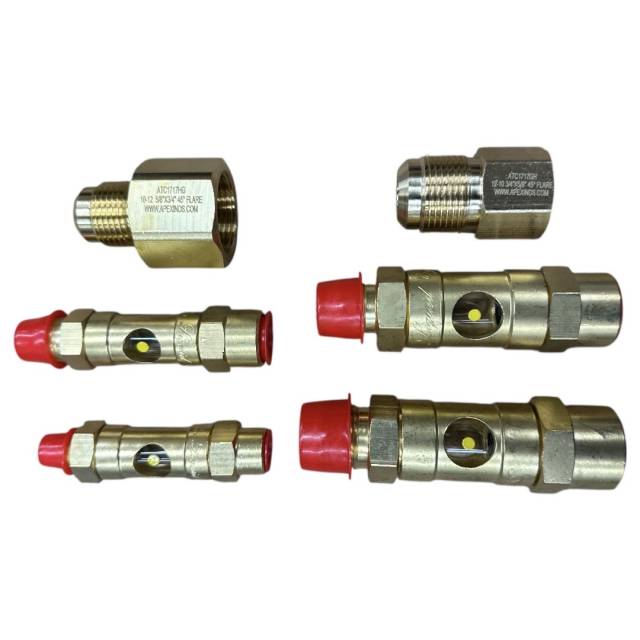
Step-by-step close up layout of high visibility clear diagnostic sight glasses resting organized inside an engine tool box case

Dealing with a rough-running Caterpillar or Cummins block that stumbles under acceleration? Learn the professional technical sequence to hook up the ATC50000 indicator array and catch air leaks safely.
Why Clear Fluid Tracking Stops Parts-Cannon Diagnostics
When a heavy-duty truck develops an air ingress leak along the fuel suction line, it often generates symptoms identical to a failing fuel pump or a set of weak injectors. If a shop supervisor lacks a way to visually check the incoming fluid quality, they fall into the trap of parts-cannon diagnostics—replacing high-value primary pumps or fuel lines on a hunch. If the actual leak is just a simple hair-line fracture on a water separator bracket casing, you've cost the customer thousands in unnecessary hardware replacements. Utilizing a dedicated multi-size testing kit like the ATC50000 lets you easily place clear viewing windows at key points along the fuel circuit. When you see a steady stream of foam or bubbles running through the glass, you can immediately trace the leak to the upstream connection, keeping your diagnostic lane highly efficient.
The 5-Step Low-Pressure Line Isolation Protocol
- 场地De-Pressurize and Prepare Target Ports: Turn the vehicle ignition off and let the engine rest to settle fuel temperatures. Locate the target primary low-pressure fuel supply loop segment (such as the line connecting the main tank filter to the transfer pump inlet). Thoroughly clean the surrounding fittings to clear away loose grit.
- Match and Settle the Correct Adaptations: Open your ATC50000 case and select the specific viewing indicator size that matches your target fuel line diameter (#4, #6, #8, #10, or #12). Thread the necessary kit adapter fittings onto the glass collars to match the truck's fuel port setup.
- Install the Sight Glass Inline: Unbolt or disconnect the factory line connection carefully, managing any residual fuel spill with a shop towel. Install the pre-assembled ATC50000 sight glass housing inline between the fuel source port and the return line, tightening the collar threads firmly to ensure an absolute vacuum-tight seal.
- Bleed and Prime the Fuel Circuit: Utilize the vehicle's manual hand priming pump plunger to cycle fuel through the system, purging any loose air introduced during the tool installation process. Pump until the clear viewing window fills completely with solid diesel fuel.
- Monitor the Fluid Stream Under Load: Start the engine and let it run at a standard idle speed. Peer through the 45-degree flared glass to inspect the fuel flow from multiple angles. A perfectly sealed system will show a solid, clear, and unmoving stream of fuel. If you see a consistent stream of micro-bubbles or white foam running past the window, you have confirmed an air leak upstream of the tool. Move the sight glass further up the loop to pinpoint the exact leak site.
PRO-TECH HIGH VISCOSITY SAFETY DIRECTIVE:
The ATC50000 inspection sight glasses are custom-engineered and certified solely for use in **low-pressure fluid diagnostic supply streams (such as diesel fuel transfer circuits, engine lube oil loops, and radiator lines)**. Never, under any circumstances, plumb these testing sight glasses into high-pressure common-rail injector lines! The extreme multi-thousand PSI pressures inside common-rail lines will instantly shatter glass housings, creating a severe shop hazard.
Concentric Fluid Control. Stop Guessing Upstream Leak Tracks.
Get Your 7-Piece Diagnostic Kit Now
overall rating:
my rating:
log in to rate