
Blog
Tech Guide: Cummins Injector Preload Calibration
Precision fuel component maintenance guidelines for commercial freight fleets.
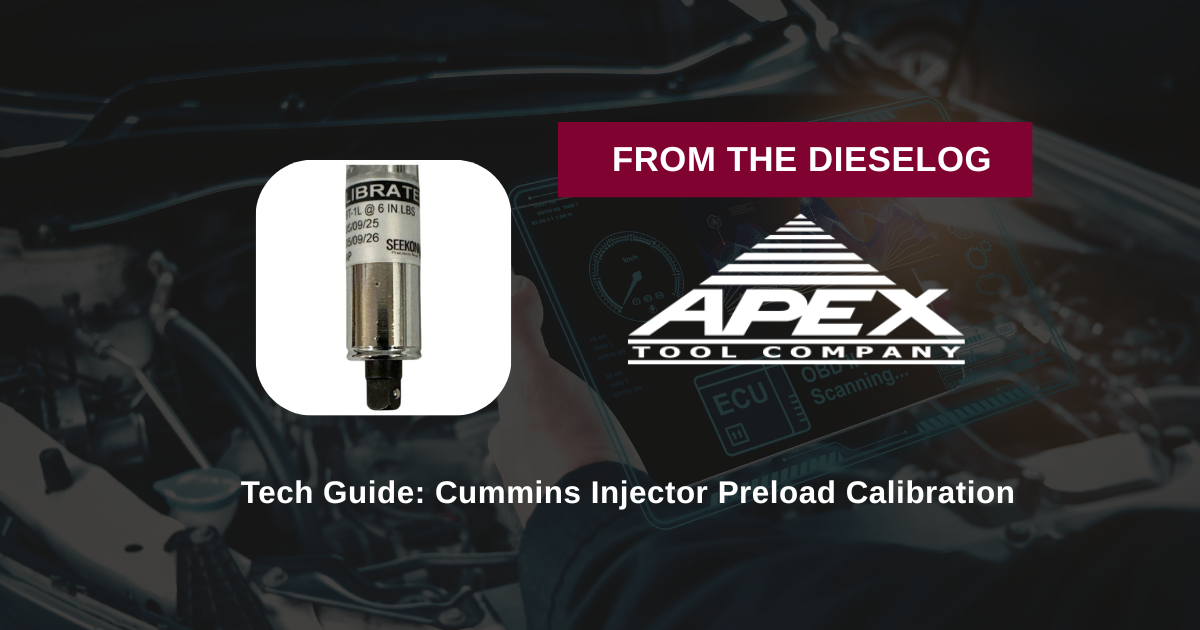
Running an overhead tune-up or dropping a fresh set of injectors onto a commercial engine block? Learn the industry-standard method for dialing in preload values with the ATC20126-A driver.
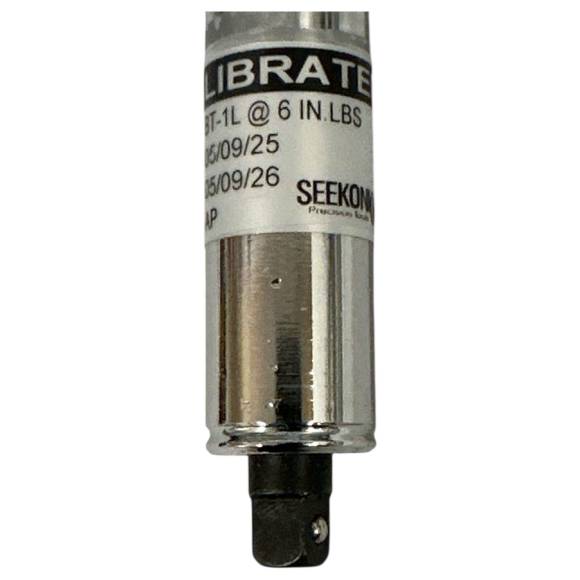
Why Micrometric Torque Regulation Bypasses Seat Failure
Fuel system components operate inside a violent space of changing temperatures and extreme combustion pressures. When a line technician attempts to tighten down an injector link rod without a dedicated low-range torque tool, they run an immediate structural liability. Cast iron and hardened tool steel housings do not stretch forgivingly at micro-levels. Over-tightening forces the injector connector tip to warp out of round, pinching internal needle passages and destroying the starting drop characteristics of the solenoid. Utilizing an exact slip-joint micro-wrench like the ATC20126-A locks the mechanical torque threshold right at a strict 6 inch-pounds, ensuring uniform o-ring crush without straining metal threads.
The 5-Step Fuel Injection Preload Sequence
- Perform Cylinder Top-End Triage: Strip the valve covers and wipe down the rocker housings. Thoroughly blow out standing fuel or residual lubricant oil from the injector landing pockets to establish a clean, clear work zone.
- Drop and Index the Fuel Injector: Lower the brand new fuel injector body flatly centered into the cylinder sleeve land. Check that all electrical lead points are oriented correctly according to the factory manual lines. Hand-start all hold-down fasteners to block thread cross-stripping.
- Introduce the ATC20126-A Driver: Position the 6 in-lb fixed torque wrench body squarely over the injector adjustment link screw socket. Keep your hand weight perfectly balanced over the center of the T-handle profile to completely eliminate off-center turning leverage.
- Execute Smooth Clockwise Rotation: Rotate the wrench handle clockwise with a steady, progressive motion. Avoid sudden turning sweeps. Wrench smoothly until the calibrated internal spring cluster snaps out cleanly, confirming that the precise 6 inch-pound threshold has been reached.
- Execute Final Torque Verification: Run a quick depth sweep check using your overhead calibration fixture to verify correct plunger location alignment. Move down the firing order sequence to lock in uniform fuel delivery across all remaining combustion cylinders.
CRITICAL INSTRUMENT CARE DIRECTIVE:
A low-range micro-torque wrench is an exceptionally sensitive precision calibration instrument. Never utilize the ATC20126-A tool to break loose old, seized, or varnished locknuts on a tear-down bench! Forcing the internal slip mechanism backward under high breakaway loads will distort the internal spring calibration permanently, skewing its precision long before your next verification pass.
Certified Calibration. Lifelong Engine Top-End Security.
Order the 6 in-lb Torque Wrench
overall rating:
my rating:
log in to rate