
Blog
Cummins ISX Counterbore Machining & Chip Protection Steps
Precision engine block machining guidelines for commercial remanufacturers and diesel machinists.
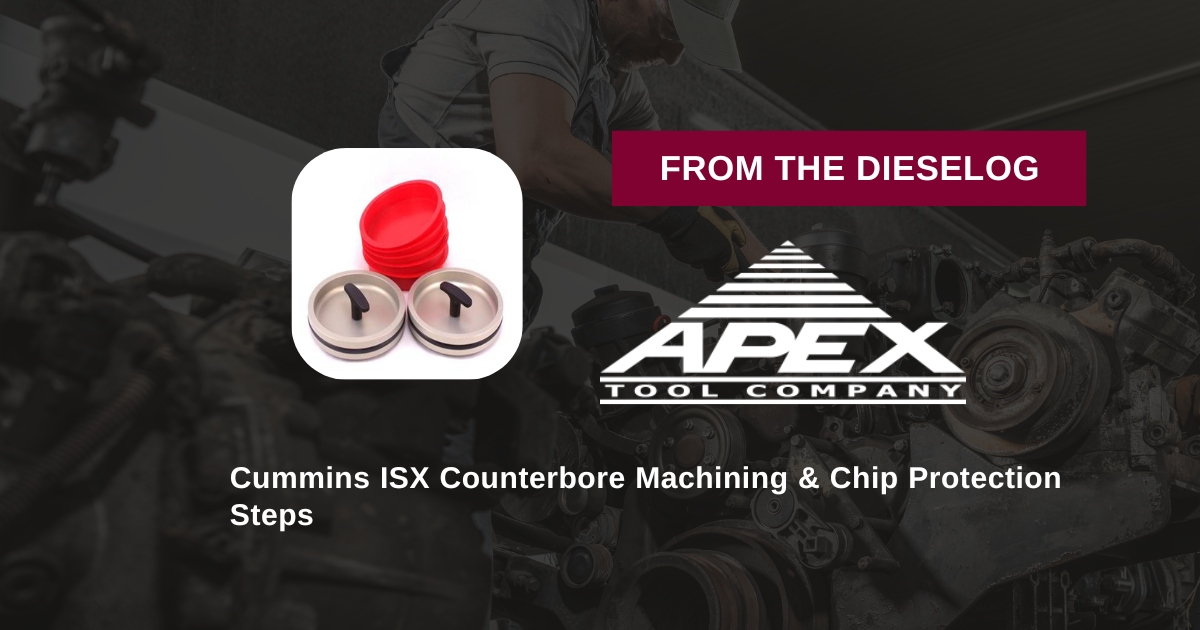
Repairing liner counterbore ledges on a Cummins ISX15 engine block? Follow this step-by-step professional machining procedure to set up the M50147 chip catcher discs, cap adjacent cylinders, cut counterbores safely, and vacuum metal shavings cleanly without contaminating lower engine journals.
Why Metal Shavings Destroy Overhauled Heavy Diesel Engines
Counterbore resurfacing on Cummins ISX engines is a routine part of in-frame overhauls to stop liner movement and fix blown head gaskets. However, using a counterbore cutter tool shaves cast-iron metal directly off the top deck ledge. Cast-iron machining dust contains micro-abrasive graphite and iron filings. If an engine builder attempts to block the liner bore with shop towels or rag bundles, fine iron dust easily migrates past the cloth edges down into the lower crankcase. Once oil circulates during initial engine start, this abrasive grit flows straight into the main bearings, rod journals, and turbocharger oil feed lines. Within a few hundred miles, bearings wipe, crank journals score, and the freshly rebuilt engine suffers total oil starvation failure. Utilizing a dedicated O-ring sealed aluminum disc system like the M50147 seals the bore cavity completely just inches below the cutting tool. Metal chips accumulate safely on top of the aluminum plate—allowing the machinist to vacuum all filings away before pulling the disc, keeping the lower block 100% spotless.
The 5-Step Counterbore Chip Protection Protocol
- Liner Removal & Bore Surface Cleaning: Extract the old cylinder liner from the target cylinder. Thoroughly wipe clean the upper bore wall and counterbore ledge area using solvent and shop towels to remove grease and carbon.
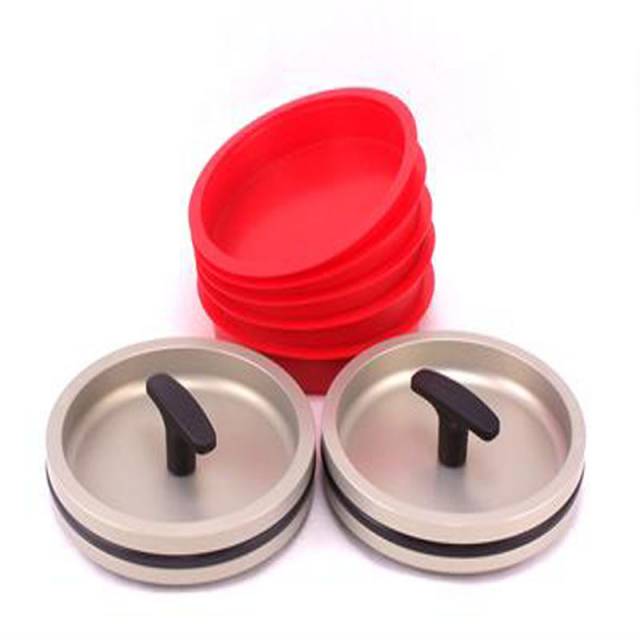
- Install M50147 Aluminum Disc Catcher: Select the correct aluminum disc (150 mm or 152 mm) for your ISX liner bore size. Inspect the perimeter O-ring for nicks or damage. Push the aluminum disc down into the open liner bore until it sits firmly about 2 to 3 inches below the counterbore ledge, creating a flat, airtight floor.
- Cap Surrounding Cylinder Bores: Insert the five red expansion plug caps into the adjacent open cylinder bores or installed liner tops across the block deck. Firmly seat each cap to shield surrounding cylinders from flying metal chips during cutting.
- Execute Counterbore Machining: Mount your counterbore cutter tool onto the block deck. Set the depth gauge and machine the counterbore ledge to specified depth per Cummins repair guidelines. All cast-iron shavings will drop onto the M50147 aluminum disc cover.
- Vacuum Debris & Remove Catcher Disc: Once machining is complete, use a shop vacuum with a narrow crevice tool to thoroughly suck up all metal chips from the top of the aluminum disc. Wipe the disc face clean with a lint-free rag, pull the disc up out of the bore using its central extraction handle, and remove the red plug caps. Inspect the lower bore to confirm zero debris entry.
PRO-TECH VACUUM CLEANING MANDATE:
Always vacuum all metal shavings completely off the top of the M50147 aluminum disc before removing the disc from the bore! Never pull the chip catcher disc up while metal shavings remain on its surface, as loose chips will fall past the O-ring seal down into the lower crankcase!
Precision Anodized Aluminum Sealing. Protect Cummins ISX Rebuilds.
Get the M50147 Chip Catcher Kit Now
overall rating:
my rating:
log in to rate