
Blog
Detroit DD5 Common-Rail Pressure Isolation
Precision high-pressure fuel loop reconditioning guidelines for freight diagnostics fleets.
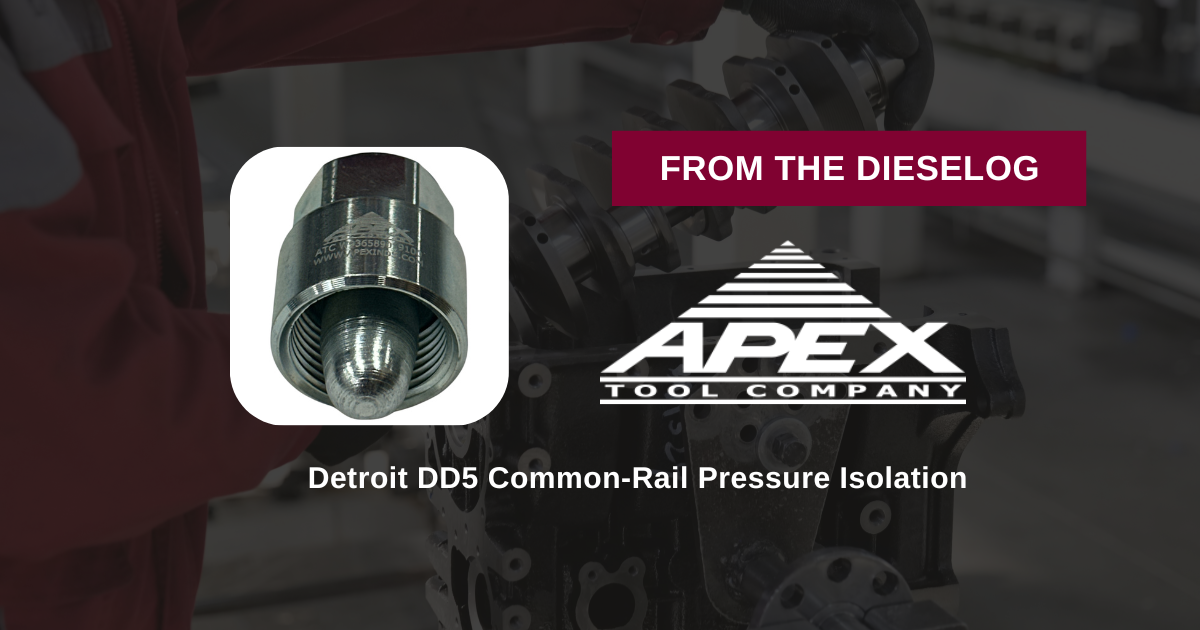
Dealing with an unexplainable intermittent rough idle or a stubborn low-rail pressure diagnostic code on a mid-duty truck? Learn the proper professional sequence to block fuel ports and trace leaks safely using the ATC W936589019100 cap group.
PRO-TECH HIGH-PRESSURE HYDRAULIC REFUSAL OVERRIDE:
**CRITICAL SAFETY DIRECTIVE:** The high-pressure common-rail fuel system on a Detroit DD5 engine operates at extreme hydraulic pressures that can exceed 30,000+ PSI under load. Never loosen, adjust, or disconnect any fuel line fitting, test cap, or rail connection while the engine is running or before verifying that rail pressure has bled down to absolute zero! High-velocity fuel leaks can instantly pierce skin, causing severe fuel-injection injury, blood poisoning, or immediate workshop fire hazards. Always monitor fuel pressure decay status through diagnostic software before breaking line connections.
Why Improvised Line Plugs Hazard Delicate Common-Rail Seats
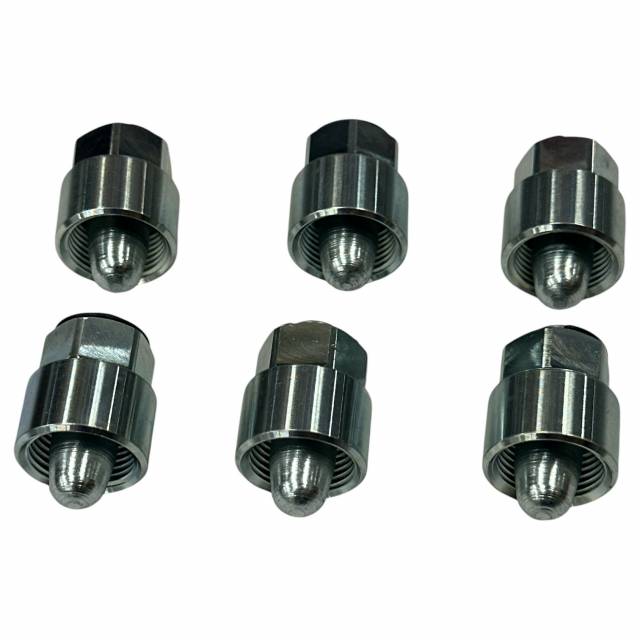
The fuel distribution rail outlets on a modern Detroit DD5 engine feature specialized micro-tapered metal seating points. When a line mechanic tries to isolate a cylinder leak path by capping an outlet with a generic plug, a cross-threaded junk fitting, or a welded fuel line scrap, they are creating a serious maintenance liability. Improvised blocks often feature incorrect thread pitches or out-of-square seating faces that easily mar the internal fuel rail seat cone or strip the fine metric threads on the manifold body. These subtle geometric scars prevent a factory fuel line from sealing tightly upon reassembly, leading to immediate fuel weeping comebacks that compromise your engine’s lower-block safety bounds. Utilizing a dedicated set of precision-machined steel caps like the ATC W936589019100 forces the connection true along a perfect axis line, holding a complete hydraulic lock without altering delicate factory seat parameters.
The 5-Step Common-Rail Isolation Protocol
- De-Pressurize and Clean Target Fuel Banks: Turn the vehicle ignition off and verify through your diagnostic link that common-rail fuel pressure has completely dissipated to zero. Clean the exterior of the fuel manifold rail and injector feed lines aggressively with solvent to clear away grit.
- Decouple the Target Cylinder Feed Line: Back out the high-pressure fuel line gland nuts from the targeted rail outlet port carefully, managing any residual fluid drops with a clean shop towel. Slide the factory line away from the manifold seat.
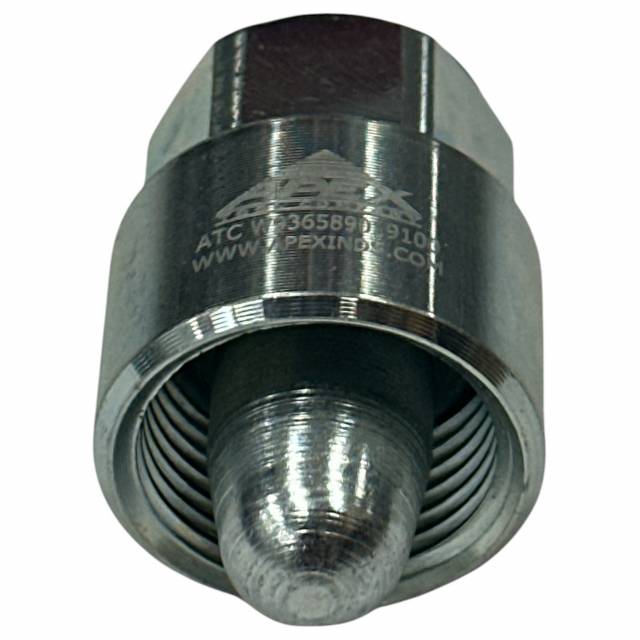
- Thread the W936589019100 Cap true and Parallel: Take a precision-machined cap from your ATC W936589019100 set and thread it down onto the open rail outlet port by hand. *Note: Ensure the cap seats smooth and level to guarantee that the internal sealing cone seals completely square against the rail seat with zero tool tilt.*
- Torque the Cap to a Leak-Free Seal: Secure the common-rail hex manifold with a backup tool and use your hand tools to torque the test cap down to exact manual specifications. *CRITICAL METHOD: Never use high-speed pneumatic air or electric impact guns to tighten test caps, as high-frequency hammering can score the precision-ground internal seating cone.*
- Execute Crank Testing and Map Pressure Retention: Purge the primary fuel circuit using the manual priming pump. Crank the engine over to build pressure within the isolated manifold block. Monitor your diagnostic link software to evaluate pressure retention; if the low-rail pressure fault clears with the cap installed, you have successfully isolated a bleeding injector body on that targeted cylinder track. Repeat across all positions to finalize the validation pass.
Set of 6 Precision Caps. Stop Guessing Common-Rail Leak Tracks on DD5 Motors.
Get Your DD5 Fuel Rail Test Caps Now
overall rating:
my rating:
log in to rate