
Blog
Tech Guide: Detroit DD5 Fuel Rail Isolation & Leak Diagnostics
Precision HPCR diagnostic guidelines for commercial fleet and medium-duty diesel mechanics.
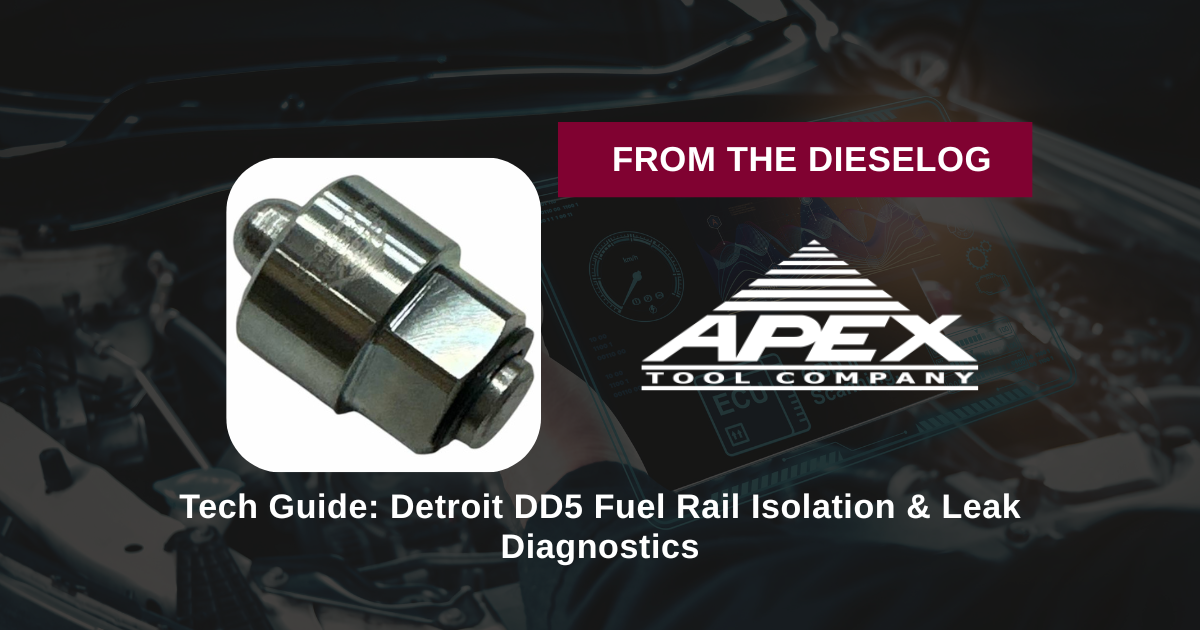
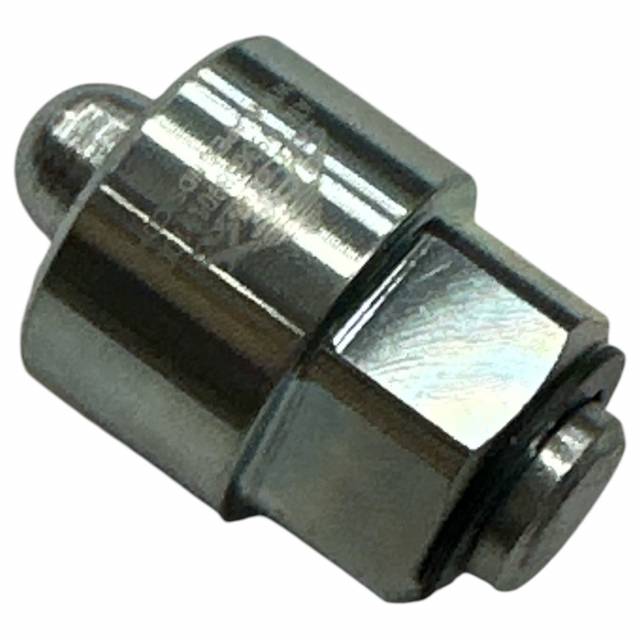
Diagnosing hard-starts, low common rail pressure fault codes, or extended cranking on a Detroit DD5 engine? Follow this step-by-step professional workshop procedure to install the ATC W936589019100 test caps, isolate fuel lines, and pinpoint internal high-pressure leaks accurately.
Why High-Pressure Fuel System Diagnostics Requires Systematic Rail Isolation
The high-pressure fuel system on a Detroit Diesel DD5 engine relies on precise pressure accumulation inside the common rail to feed electronic injectors. When an engine exhibits extended crank times or throws low rail pressure codes during acceleration, the root cause is almost always an unintended high-pressure fuel bypass. Fuel can leak past the high-pressure pump outlet valves, vent through a faulty rail pressure limiter, or bypass internally through a worn injector control valve back into the fuel return gallery. Replacing injectors blindly without testing is a costly gamble that often fails to solve the issue. By utilizing the ATC W936589019100 test cap set, a technician can disconnect individual high-pressure fuel lines and cap off the corresponding rail ports one at a time. If capping off a specific rail port allows the engine to start immediately and build normal rail pressure, the technician has instantly identified the exact cylinder with an internal injector leak. Furthermore, capping all rail ports allows for absolute isolation of the high-pressure pump and rail assembly to verify pump output health during engine cranking.
The 5-Step DD5 Common Rail Isolation Protocol
- Safety Depressurization & Inspection: Turn off the ignition switch, lock out starting circuits, and wait for the high-pressure fuel system to depressurize fully. Clean fuel rail fittings with brake cleaner and compressed air to prevent contamination entry.
- Disconnect Target High-Pressure Line: Disconnect the high-pressure fuel line from the fuel rail outlet port of the suspect cylinder using a flare nut wrench. Move the line end clear of the port landing.
- Install & Torque ATC W936589019100 Test Cap: Thread a clean ATC W936589019100 test cap onto the exposed fuel rail outlet port. Snug the cap firmly using a manual wrench to establish a 100% leak-free metal-to-metal high-pressure seal.
- Crank Engine & Monitor Rail Pressure: Connect diagnostic software (such as Detroit Diagnostic Link) to monitor actual vs. desired rail pressure. Crank the engine and observe cranking fuel pressure buildup.
- Evaluate Results & Identify Leak Source: If rail pressure jumps to normal starting thresholds with a port capped, the disconnected injector is leaking internally and requires replacement. Repeat process across cylinders or cap all ports to test high-pressure pump dead-head capability. Remove caps, reattach lines, and torque to factory specifications upon service completion.
PRO-TECH HIGH PRESSURE SAFETY & CLEANLINESS MANDATE:
Always verify zero fuel pressure via diagnostic software before loosening any high-pressure fuel fittings! High-pressure diesel spray can penetrate skin! Always keep test caps stored in clean bags and verify zero debris before threading onto fuel rail ports!
Set of 6 High-Tensile Steel Test Caps. Protect Detroit DD5 Fuel Diagnostics.
Get the ATC W936589019100 Cap Set Now
overall rating:
my rating:
log in to rate